Reviewing the Peacock Embroidery Design for Real Projects
As a designer who spends more time staring at stitch maps than actual fabric, I have learned that not every machine embroidery design translates well from screen to hoop. When I first opened the Peacock Embroidery Design, my initial reaction was one of cautious optimism. The preview showed a bird in full display, a classic motif in the world of Birds and nature-inspired art. But pretty pictures do not always make sturdy finished product items. I needed to know if this digital embroidery file could withstand the rigors of real-world application, from a custom tote bag to a high-end boutique sweatshirt.
First Impressions and Visual Mood
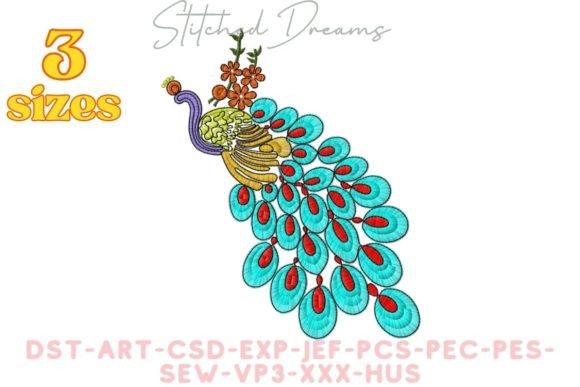
The immediate visual impact of this design is its ambition. It attempts to capture the resplendent beauty of a peacock, focusing heavily on the iridescent quality of the feathers. For an embroidery project, this is both a strength and a challenge. The layout is vertical and expansive, which naturally draws the eye upward. This makes it an excellent candidate for back-of-garment placement or large surface areas like pillow covers and aprons. The mood is regal and vibrant, suggesting luxury and attention to detail. However, the complexity of the feather patterns means that the stitch density must be managed carefully to avoid turning a delicate bird into a stiff cardboard patch.
Real-World Application Scenarios
To truly evaluate this embroidery file, I imagined several specific use cases that my clients often request. Here is how the design performs in different contexts:
- Custom Apparel: On a heavy cotton sweatshirt, the design shines. The thickness of the fabric supports the weight of the stitches, allowing the satin stitch borders of the feathers to pop without puckering. It creates a statement piece that feels expensive and well-crafted.
- Tote Bag Design: For a canvas tote, this design adds significant value. Shoppers love nature motifs, and a peacock suggests elegance. However, because totes are functional items that get tossed around, I would recommend reinforcing the back with a cut-away stabilizer to ensure the design does not distort over time.
- Baby Embroidery: I would hesitate to use this specific version on baby clothes. The intricate details and potential density might be too rough against sensitive skin. If you are creating a personalized gift for a newborn, look for a simplified version or use it only on the outer layer of a blanket where it will not touch the skin directly.
- Embroidered Patch: This is perhaps the best use case. By stitching the design onto twill or felt and then cutting it out, you create a versatile design asset that can be ironed or sewn onto jackets, hats, or bags. This allows the customer to apply the art themselves, increasing engagement.
Technical Considerations for Stitching
When working with complex Birds themes, the transition between colors is critical. This Peacock Embroidery Design relies on the interplay of blues, greens, and purples to mimic iridescence. In a real embroidery project, thread choice is everything. Cheap polyester threads will look flat and plastic-like. I strongly advise using high-sheen rayon or metallic-blend threads to capture the "glory" mentioned in the product description. Without the right thread colors, the design loses its depth and looks like a cartoon rather than a realistic depiction.
Another factor is the hoop size. Because the peacock’s tail fans out, you need a sufficiently large hoop to capture the full spread without truncating the feathers. If you are forced to resize the design to fit a smaller hoop, be warned: reducing the size too much will merge the fine details of the feathers into a blob of color. Always check the minimum recommended size before purchasing or downloading.
Where to Use Caution
Not every fabric is a friend to this design. Here are scenarios where you should proceed with care:
- Stretchy Fabric: Avoid placing this dense design on thin jersey knits or spandex blends unless you are an expert in stabilization. The weight of the fill stitch areas will cause the garment to sag and distort.
- Dark Fabric: While peacocks are colorful, some of the finer running stitch details may disappear on black or navy backgrounds. Always run a test stitch on a scrap piece of your actual fabric to check contrast.
- Curved Surfaces: Hooping a cap for this design is tricky. The curvature can cause the wider parts of the tail to pucker. If you must do sweatshirt embroidery or caps, consider breaking the design into smaller sections or using a specialized cap frame.
- Frequent Washing: Items like kitchen towels or aprons that undergo frequent hot washing may see thread fraying if the stitch density is too low in certain areas. Inspect the underlay stitches closely.
Business Value and Customer Trust
For the Etsy seller or craft business owner, the quality of your machine embroidery design directly impacts your brand reputation. A well-executed peacock design signals professionalism. It tells the buyer that you care about aesthetics and durability. When used in commercial embroidery projects, such as boutique branding or holiday gifts, this design can command a higher price point because it looks intricate and time-consuming.
However, transparency is key. If you are selling the digital embroidery file itself, provide clear mockups. Show the design on both light and dark fabrics. Create a printable mockup that demonstrates scale. Buyers need to visualize how the handmade product will look in their home or wardrobe. If you are selling the finished item, highlight the quality of the threads and the stability of the stitching in your product descriptions.
Practical Designer Notes
Before you commit to a large production run or a client order, follow these steps:
- Test on Scrap Fabric: Never stitch a new design directly on your final garment. Use a similar fabric weight and type to test tension and registration.
- Check License Terms: Confirm whether the Peacock Embroidery Design allows for commercial use. Some designers permit selling finished items but prohibit reselling the digital embroidery file itself.
- Inspect Small Details: Zoom in on the digitizing software. Look for jump stitches that are too long or ties that are missing. These small errors can cause thread nests and ruin the finished product.
- Contrast Check: View the design in black and white. If the details disappear, the contrast between the thread colors is insufficient, and you may need to adjust your palette.
In conclusion, the Peacock Embroidery Design is a powerful tool for creators who understand its technical requirements. It is not a "set it and forget it" file, but with the right fabric, stabilizer, and thread, it produces stunning results. Whether you are making a holiday embroidery gift or stocking your small shop product line, this design offers the visual drama needed to stand out in a crowded market. Just remember to respect the complexity of the bird, and it will reward you with a truly resplendent finish.