Reviewing the French Bulldog Embroidery Design for Real Projects
As a designer who spends more time staring at stitch previews than actual fabric, I have learned to be skeptical of cute animal motifs. They often look charming on a screen but turn into a tangled mess of thread breaks and puckering once they hit the hoop. However, when I recently pulled up the French Bulldog Embroidery Design for a potential client project, my initial reaction was surprisingly positive. It is not just about the subject matter; it is about how the design translates from a digital embroidery file to a tangible, high-quality handmade product.
First Impressions and Visual Personality
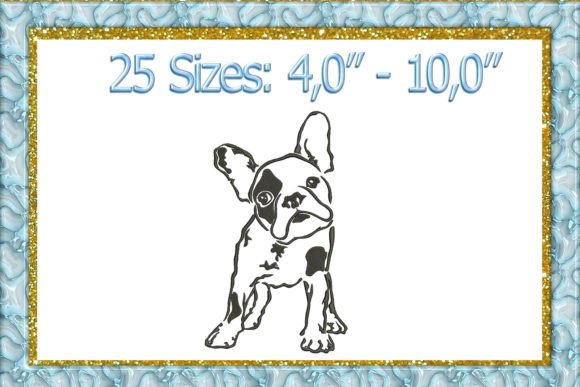
The first thing that strikes you about this design is its balanced layout. Many dog-themed designs rely too heavily on dense fill stitch areas that can stiffen the fabric, or they use overly complex satin stitch borders that fray easily after washing. This particular French Bulldog motif feels intentional. The lines are clean, and the personality of the breed—the bat ears, the compact body, the expressive eyes—is captured without unnecessary clutter.
The mood it creates is warm and approachable, making it an ideal candidate for personalized gift items. It does not scream "mass-produced." Instead, it has the handcrafted appeal that customers look for when browsing Etsy listings or visiting local craft fairs. For a craft business owner, this visual clarity is crucial. A design that reads well from a distance performs better on social media previews and in real-life retail settings.
Real-World Application: The Tote Bag Test
To truly evaluate any machine embroidery design, you must imagine it in a specific context. I envisioned this Frenchie on a heavy canvas tote bag design. This is a popular item for dog owners who want to carry their pet’s essentials to the park or vet. The sturdy texture of canvas provides an excellent base for the stitches, allowing the thread colors to pop without sinking into the weave.
In this scenario, the design’s moderate stitch density works in your favor. It provides enough coverage to look professional and durable, yet it remains flexible enough that the bag does not become rigid. If you were to place this same design on a thin cotton t-shirt, you might need to be more cautious with stabilizer choices. But on a tote, apron, or pillow cover, it sits comfortably. This versatility makes it a strong asset for small shop product lines that need to adapt to various materials.
Apparel and Custom Wearables
Beyond accessories, this design shines in custom apparel. Imagine a soft, heather-grey sweatshirt with the French Bulldog embroidered on the left chest. The scale seems appropriate for this placement—not so large that it overwhelms the garment, but detailed enough to be recognized as a specific breed. For sweatshirt embroidery, the loft of the fabric can sometimes swallow small details. Therefore, checking the preview for fine lines is essential. If the design relies on very thin running stitch outlines, they might get lost in fleece. However, if the design uses bold shapes, it will stand out beautifully against textured knits.
For baby embroidery projects, such as onesies or bibs, the softness of the final product is paramount. You would want to ensure that the back of the stitching is clean and that no scratchy trimmings remain. This design’s simplicity suggests it could work well for nursery decor or baby items, provided you use a soft, cut-away stabilizer to support the fabric without adding bulk.
Technical Considerations for Stitching Success
While the aesthetic is appealing, practical execution requires attention to detail. Before committing to a full production run or a high-value finished product, there are several technical factors to review.
- Fabric Texture and Contrast: Always test the design on scrap fabric first. Dark fabrics may require underlay stitches to prevent the background color from showing through lighter threads. Light fabrics need careful tension adjustments to avoid puckering.
- Hoop Size Compatibility: Confirm the required hoop size before starting. While the description mentions versatility, you must ensure the design fits within your machine’s maximum area, especially if you plan to add text or other elements around the dog.
- Stabilizer Selection: For stretchy fabrics like jersey knits used in t-shirts, a tear-away stabilizer might not provide enough support. A cut-away stabilizer is often safer for garments that will undergo frequent washing and wearing.
- Thread Color Strategy: The charm of a French Bulldog lies in its coloring. Whether you choose a fawn, brindle, or pied version, ensure your thread colors have enough contrast to define the features. A monochrome test stitch-out can help you identify if the details are clear without relying on color shifts.
Navigating Limitations and Care
No design is perfect for every situation. There are areas where you should use caution with this French Bulldog Embroidery Design. Curved surfaces, such as the front of a baseball cap, can distort the image if the design is too wide or if the fabric stretches unevenly during stitching. If you attempt embroidered patch creation, ensure the edges are properly finished, perhaps with a satin stitch border, to prevent fraying over time.
Additionally, consider the end-user’s care habits. Items like tablecloths or kitchen towels will face rigorous washing. Dense stitch areas can trap moisture or lint, so advising customers on proper care instructions adds value to your Etsy seller profile and builds trust. If the design includes tiny details, these may degrade faster than bold shapes. Keeping the design simple, as this one appears to be, generally enhances longevity.
Commercial Value and Brand Consistency
For commercial embroidery professionals and digital embroidery file sellers, the licensing terms are critical. Since the product description does not specify exact license terms, you must verify whether the design allows for unlimited physical sales or if there are restrictions. Using a design commercially without proper clearance can jeopardize your craft business.
From a branding perspective, this design fits well into a cohesive collection. If your shop specializes in pet lovers’ goods, having a consistent style across different breeds helps build brand recognition. This Frenchie design, with its clean lines and friendly demeanor, supports a professional image. It avoids the cartoonish exaggeration that can sometimes cheapen the perceived value of a holiday embroidery gift or a boutique item.
When creating printable mockup assets for your online store, this design photographs well. Its clear silhouette stands out against various backgrounds, making it easier to create compelling marketing images. Whether you are selling the design assets themselves or the stitched products, visual appeal drives engagement.
Final Verdict for Makers
The French Bulldog Embroidery Design is a solid choice for makers who value both aesthetics and practicality. It bridges the gap between cute and professional, making it suitable for a wide range of applications from home decor to wearable art. By respecting the technical requirements of Embroidery—such as proper stabilization, thread selection, and fabric choice—you can transform this digital file into a cherished item.
Remember, the best embroidery project is one that survives real life. Test it, tweak it, and ensure it meets your quality standards before offering it to your customers. With careful execution, this design can become a staple in your portfolio, appealing to proud Frenchie moms and dog lovers everywhere.