Reviewing the Hello Fall Leaf Embroidery Design
As a designer who has spent countless hours digitizing and stitching out patterns for clients, I approach every new machine embroidery design with a critical eye. It is not just about whether the image looks cute on a screen; it is about how those digital lines translate into thread on fabric. Recently, I had the chance to evaluate the Hello Fall Leaf Embroidery Design, and I want to share my practical insights for fellow crafters, Etsy sellers, and boutique owners looking to expand their autumn collections.
First Impressions and Visual Mood
The moment I opened the file, the charm of the season was immediately apparent. This design does not try to be overly complex or hyper-realistic. Instead, it captures the essence of autumn through a stylized, welcoming aesthetic. The layout features falling leaves arranged in a way that suggests movement without creating excessive density. For an experienced stitcher, this balance is crucial. Too much detail can lead to puckering, while too little can look sparse. This design strikes a comfortable middle ground, making it versatile for various applications.
The visual personality is warm and inviting, which aligns perfectly with the current trend of cozy, home-centric decor. When considering a personalized gift or a seasonal product line, mood matters. This design evokes nostalgia and comfort, two emotions that drive sales during the fall months. It feels less like a generic clipart insertion and more like a thoughtful graphic element designed specifically for textile application.
Real-World Application: The Tote Bag Test
To truly understand the value of an embroidery file, you must visualize it on a finished product. I imagined this design stitched onto a heavy canvas tote bag, a staple item for any craft business. The falling leaves provide a natural vertical flow that works well on the side or center of a bag. Because the design includes text elements alongside the botanical motifs, it serves as a complete statement piece. You do not need to add extra lettering or embellishments, which saves time and reduces production costs for small shop owners.
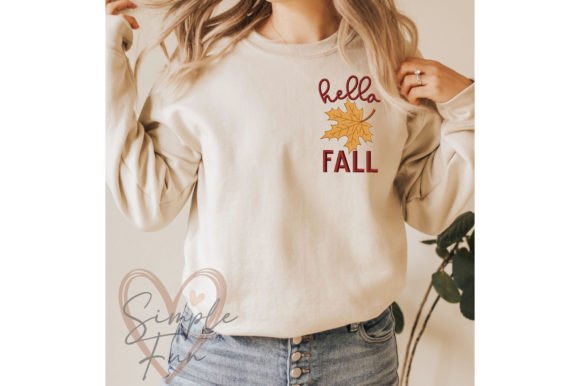
Beyond tote bags, this pattern shines on sweatshirt embroidery. A crewneck sweatshirt in heather grey or deep olive would provide the perfect neutral backdrop for the warm tones typically associated with fall foliage. The design’s scale appears suitable for the chest area, offering visibility without overwhelming the garment. For those running an online store, this versatility means you can create multiple listings from a single asset, maximizing your return on investment.
Fabric and Stitch Considerations
When working with any new design, understanding the stitch types is essential. While I cannot specify the exact technical breakdown without opening the specific file format, designs of this nature typically utilize a mix of fill stitch for the leaves and satin stitch or running stitch for the text and finer details. This combination ensures durability and visual interest. However, it also requires attention to stitch density.
If you are stitching on thin fabric, such as a lightweight cotton tee or a silk scarf, you must use a high-quality cut-away stabilizer. The weight of the thread needs support to prevent distortion. Conversely, on thicker materials like denim or fleece, the design should sit nicely on top without sinking in. I always recommend testing the design on scrap fabric first. Check how the thread colors interact with your chosen material. A dark green leaf might disappear on black fabric, so consider using lighter shades or adding a backing stitch if necessary.
Navigating Potential Challenges
No design is perfect for every scenario. There are specific situations where you should exercise caution with the Hello Fall Leaf Embroidery Design. First, consider the hoop size. Ensure that the dimensions of the design fit comfortably within your machine’s hoop, leaving enough margin for stabilization. If the design is near the maximum limit of your hoop, alignment becomes tricky, especially on curved surfaces like caps.
Speaking of caps, while this design could work on a dad hat, the falling leaves might require careful positioning to avoid distortion on the curved front panel. Additionally, if the text elements are small, verify their readability after stitching. Tiny lettering can sometimes merge together if the tension is not calibrated correctly. For baby embroidery projects, ensure that any dense areas are backed properly to prevent scratchiness against sensitive skin.
Another consideration is the fabric texture. Highly textured materials like terry cloth or bouclé can obscure fine details. Since this design relies on the shape of the leaves and the clarity of the message, it performs best on smooth to medium-texture fabrics. Avoid using it on items that require frequent, harsh washing unless you secure the threads properly, as loose ends can unravel over time.
Commercial Value and Brand Consistency
For the Etsy seller or creative entrepreneur, the commercial viability of a design is paramount. This holiday embroidery pattern fits seamlessly into the Thanksgiving and broader autumn marketing window. It allows for quick turnaround times because it does not require complex color changes or excessive trimming. This efficiency translates to higher profit margins.
Using consistent design assets helps build brand recognition. If your shop specializes in cozy, handmade goods, this design reinforces that identity. It looks professional in printable mockups, which are essential for online listings. Customers engage more with images that show the texture and depth of real stitching rather than flat digital renders. By showcasing this design on actual products, you build trust and demonstrate quality.
Final Designer Notes
Before launching any product featuring the Hello Fall Leaf Embroidery Design, take these practical steps:
- Check Licensing: Confirm whether the digital embroidery file allows for commercial use of finished items. Most designers allow selling physical products but restrict sharing the digital file itself.
- Test Color Variations: Create versions in traditional fall palettes (orange, brown, gold) and modern neutrals (cream, sage, charcoal) to appeal to different customer segments.
- Inspect Small Details: Zoom in on the preview to check for potential jump stitches or tight corners that might cause thread breaks.
- Consider Applique Options: If the file supports it, an applique design version could reduce stitch count and add a unique textured element to your custom apparel.
In conclusion, this design is a solid addition to any autumn catalog. It balances aesthetic appeal with technical practicality, making it suitable for both hobbyists and professional commercial embroidery operations. By respecting the material constraints and preparing your workspace correctly, you can produce high-quality finished products that customers will love. Welcome the beauty of autumn with confidence, knowing that your stitch work reflects both skill and thoughtful design selection.