Review: Bad Witch Hat Broom Halloween Embroidery
As an embroidery designer who spends countless hours digitizing and testing files for commercial use, I approach every new download with a critical eye. The market is saturated with seasonal designs, but finding a machine embroidery design that balances whimsical charm with technical reliability is rare. Recently, I evaluated the Bad Witch Hat Broom Halloween Embroidery from Creative Fabrica to determine if it meets the standards required for high-quality handmade products and client orders.
This review is not just about aesthetics; it is about practical application. Whether you are an Etsy seller preparing for the October rush or a hobbyist looking to personalize gifts, understanding how this embroidery file behaves on different fabrics is crucial. Here is my honest assessment of its potential for real-world projects.
First Impressions and Visual Appeal
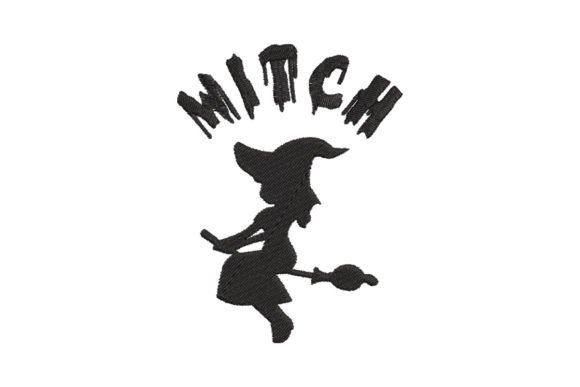
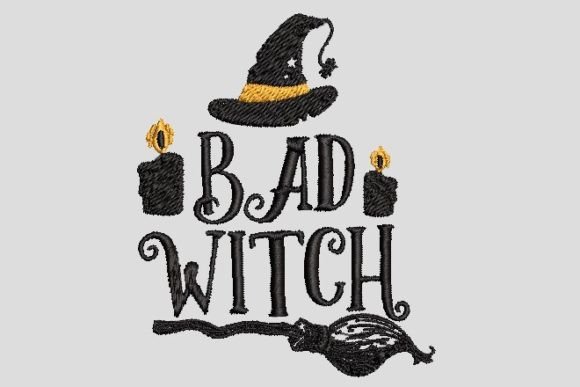
The immediate standout feature of the Bad Witch Hat Broom Halloween Embroidery is its playful yet classic aesthetic. It captures the spirit of the season without relying on overly complex or scary imagery, making it versatile for a wide audience. The design features a stylized witch’s hat paired with a broom, elements that are instantly recognizable and deeply associated with Halloween traditions.
From a design perspective, the lines appear clean and well-defined. This suggests that the digitizer paid attention to the flow of the stitches, which is essential for maintaining the integrity of the shape during stitching. The visual mood is lighthearted, which opens up opportunities beyond traditional spooky decor. It fits naturally into projects aimed at children, families, and those who prefer a cute rather than eerie interpretation of the holiday. For designers focusing on brand consistency, this piece offers a cohesive look that can be easily integrated into a broader collection of seasonal design assets.
Performance on Real-World Projects
The true test of any Creative Fabrica embroidery product is how it translates from the screen to the hoop. I considered several applications for this design, ranging from apparel to home goods. Its moderate complexity makes it suitable for various items, but each substrate presents unique challenges.
- Custom Apparel: This design works exceptionally well on sweatshirts and hoodies. The bold shapes of the hat and broom stand out against thick fabrics, providing a cozy, festive look. However, when applying it to lighter t-shirts, one must be mindful of the stitch density to prevent puckering.
- Tote Bags and Accessories: A tote bag design requires durability. Since tote bags are often washed and subjected to heavy use, ensuring the stitches are secure is vital. This design’s structure seems robust enough for canvas materials, adding a fun touch to everyday carryalls.
- Embroidered Patches: Creating an embroidered patch allows for maximum versatility. You can stitch the design on stable felt or twill, cut it out, and apply it to jackets, hats, or backpacks later. This method also bypasses issues with hooping difficult garments.
- Home Decor: Imagine this motif on a pillow cover or a kitchen towel. It adds a seasonal accent that is easy to store away after November. For nursery decor, the cute style is appropriate, provided the thread colors are soft and inviting.
Technical Considerations for Stitching
While the design is visually appealing, successful execution depends on technical preparation. As an experienced designer, I always advise checking specific file details before starting a project. Since the product description notes that you can use it to create a variety of Halloween-themed projects, including apparel, home decor, tote bags, and accessories, it implies a level of flexibility. However, you must verify the available hoop size options to ensure the design fits your machine’s capabilities.
Stitch Density and Fabric Choice
Dense stitch areas can cause fabric to pucker, especially on stretchy materials like jersey knits used for t-shirts. If you plan to use this for sweatshirt embroidery, the thicker fabric will likely support the stitches well. For lighter fabrics, using a high-quality cut-away stabilizer is non-negotiable. Always test on scrap fabric first. This step allows you to adjust tension and check for any registration issues between the hat and the broom elements.
Thread Colors and Contrast
The impact of this design relies heavily on color choice. Traditional orange, black, and purple threads create a classic look, but experimenting with contrasting colors can modernize the piece. For example, using teal or pink threads can appeal to a younger demographic or those seeking a non-traditional aesthetic. Ensure there is sufficient contrast between the design and the fabric color. On dark fabrics, consider using a lighter underlay or choosing thread colors that pop, such as bright yellow or white, to maintain visibility.
Curved Surfaces and Small Details
If you intend to place this on a cap, remember that curved surfaces distort designs. The brim of the witch’s hat might need careful positioning to avoid wrapping around the curve awkwardly. Additionally, inspect small details after stitching. Thin lines in the broom bristles or the hat’s band should remain crisp. If they appear messy, your needle may be dull, or your stabilizer may be insufficient.
Enhancing Product Value and Buyer Trust
For small business owners and creative entrepreneurs, the quality of the finished product directly influences buyer trust. A well-executed Bad Witch Hat Broom Halloween Embroidery can elevate a simple item into a premium handmade product. Customers appreciate attention to detail, such as clean trim backs, proper stabilization, and vibrant thread colors.
When listing these items on platforms like Etsy, high-quality photography is essential. Use a printable mockup to visualize the design on different products before stitching, but always follow up with photos of the actual finished product. Show the texture of the stitches and the durability of the application. This transparency builds confidence and can lead to higher engagement and sales.
Furthermore, offering this as a personalized gift option can increase its perceived value. Adding a name or date below the witch hat transforms a generic decoration into a cherished keepsake. Just ensure that any added text complements the original design’s scale and style.
Practical Tips for Commercial Use
Before launching a line of commercial embroidery products featuring this design, take the following steps:
- Verify Licensing: Always confirm the license terms on the Creative Fabrica product page. Ensure that commercial use is permitted for physical goods if you plan to sell finished items.
- Check File Formats: Make sure the download includes the format compatible with your embroidery machine. Common formats include PES, DST, and JEF, but this varies by seller.
- Test Washability: If creating apparel or kitchen towels, wash the test sample multiple times. Check for thread bleeding or shrinkage. This ensures your customers receive a durable product.
- Optimize Production: If producing in bulk, consider the stitch count and run time. Efficient production helps maintain profit margins. While exact stitch counts are not provided here, reviewing the file in your software will give you this data.
In conclusion, the Bad Witch Hat Broom Halloween Embroidery is a promising addition to any seasonal collection. Its charming design and versatility make it suitable for a wide range of projects, from custom apparel to home decor. By paying attention to technical details like stabilizer choice, thread contrast, and fabric compatibility, you can create high-quality items that delight customers and enhance your brand’s reputation. Always prioritize testing and verification to ensure the best possible outcome for your creative endeavors.