Halloween Witch Embroidery: A Designer’s Review
As an embroidery designer who has spent years refining digital files for commercial use, I approach every new machine embroidery design with a critical eye. It is not enough for a graphic to look cute on a screen; it must translate flawlessly onto fabric, withstand the rigors of daily wear, and elevate the brand it represents. Recently, I evaluated the Halloween Witch Embroidery file to determine its viability for small business merchandise and branded patch applications. This review focuses on how this specific asset performs in real-world production environments, from boutique apparel to functional workwear.
First Impressions and Visual Personality
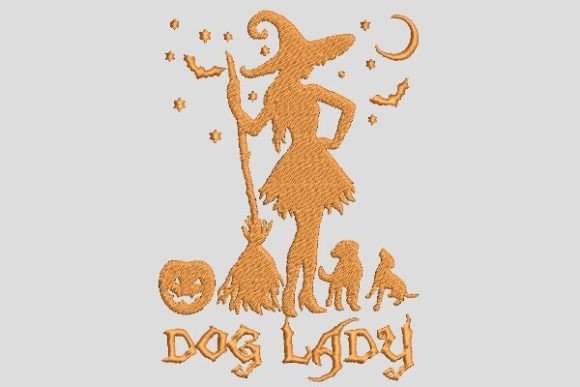
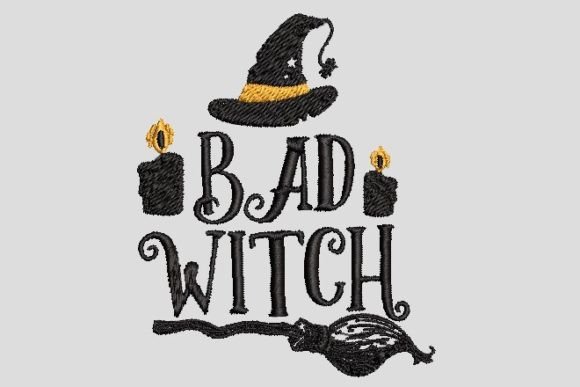
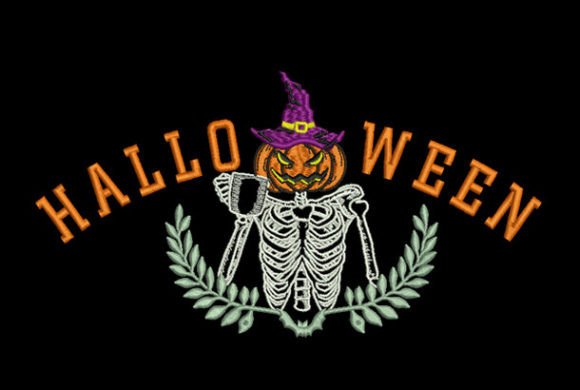
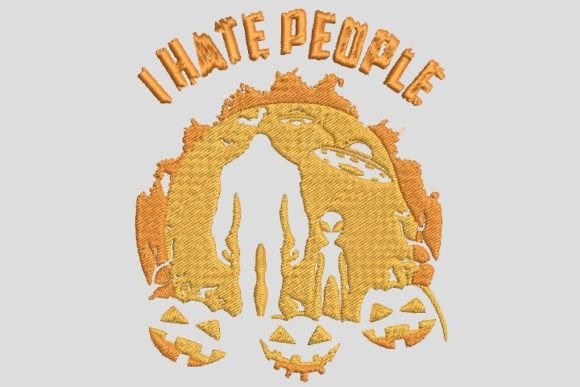
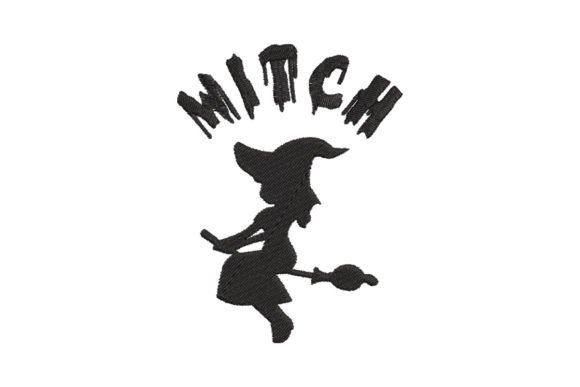
The initial visual impact of the Halloween Witch Embroidery is decidedly playful yet polished. Unlike generic clip-art styles that often lack depth, this design carries a handmade aesthetic that feels intentional and curated. For brands operating in the creative sector—such as local bakeries, florists, or independent craft studios—this visual personality strikes a balance between festive and professional. It does not scream "cheap costume"; rather, it suggests a thoughtful, seasonal accent.
The lines appear clean, suggesting that the digitizer considered stitch flow and direction. This is crucial for maintaining a premium look. When I imagine this stitched out, I see a design that complements rustic, modern, or whimsical brand identities without overpowering them. It serves as a decorative element that enhances rather than distracts, making it a versatile addition to any autumn-themed marketing campaign.
Real-World Applications for Small Business Merch
The true test of any digital embroidery file is its adaptability across various substrates. The product description notes that you can stitch this Halloween witches embroidery on t-shirts, sweatshirts, towels, bibs, aprons, pot holders, oven mitts, nags, or any other fabric. From a commercial perspective, this versatility opens several revenue streams for small business owners.
- Staff Uniforms and Aprons: For cafes and boutiques, adding this design to staff apron embroidery creates immediate seasonal engagement. It humanizes the brand and gives customers a conversation starter.
- Embroidered Patches: This design is ideal for creating iron-on or sew-on patches. Patches allow businesses to update existing inventory without committing to full garment runs. A witch motif on a denim jacket or canvas tote bag adds significant perceived value.
- Cap Embroidery: Placing a scaled-down version on the front or side of a baseball cap can drive impulse buys at point-of-sale counters. However, curvature requires careful hoop placement.
- Tote Bag Design: Canvas totes are staples for eco-conscious brands. The bold lines of the witch design should hold up well against the textured weave of canvas, provided the stitch density is appropriate.
For Etsy sellers and handmade product creators, this asset can be used to create limited-edition items. Whether it is a cozy sweatshirt for fall festivals or a themed bib for baby boutiques, the design supports a wide range of custom apparel needs.
Technical Considerations and Production Notes
While the aesthetic appeal is strong, technical execution determines the quality of the finished product. Before running a large batch, there are several critical factors to evaluate. Since specific technical data such as exact stitch count or recommended hoop size is not explicitly detailed in the brief description, I strongly advise downloading a test file or contacting the vendor for these specifications.
Stitch Density and Fabric Texture: If the design has high stitch density, it may cause puckering on lightweight fabrics like standard t-shirt jersey. In such cases, using a cut-away stabilizer is non-negotiable. Conversely, on heavier materials like towel loops or denim, the design should sit flat and prominent. Always test on the actual fabric you intend to use, as fabric texture significantly alters the final appearance.
Scale and Legibility: When shrinking this design for small patches or hat fronts, ensure that fine details do not merge. Intricate outlines can become muddy if reduced too far. I recommend stitching a test sample at the smallest intended size to verify clarity. If the witch’s features blur, consider simplifying the thread colors or adjusting the scale.
Thread Color Contrast: The choice of thread plays a pivotal role. On dark uniforms, such as black chef coats or navy aprons, bright oranges, purples, and greens will pop. However, on lighter fabrics, ensure there is enough contrast to maintain visibility. Test your thread colors under the lighting conditions where the merchandise will be displayed.
Impact on Brand Identity and Customer Trust
Consistency is key to building brand identity. Using a high-quality embroidery file like the Halloween Witch Embroidery signals attention to detail. Customers associate crisp, well-executed embroidery with professionalism and durability. A sloppy stitch-out can damage trust, but a clean, vibrant design enhances the perceived value of the item.
For small businesses, seasonal merchandise is a powerful tool for customer retention. It shows that the brand is active, engaged, and part of the community’s cultural moments. When a customer wears a tote bag or apron featuring this design, they become a walking advertisement. The handmade presentation of embroidery adds a tactile warmth that printed graphics often lack, fostering a deeper emotional connection with the buyer.
Practical Steps for Commercial Use
To ensure success when integrating this design into your commercial embroidery workflow, follow these practical steps:
- Create a Printable Mockup: Before stitching, use software to visualize the design on your specific garment. This helps in client approval and ensures the placement looks balanced.
- Check Licensing Terms: Confirm that the license allows for commercial use. Most digital files come with specific terms regarding the number of physical items you can produce. Never assume; always read the fine print.
- Test on Scrap Fabric: Never run a new design directly on saleable inventory. Stitch it out on similar material to check for tension issues, thread breaks, or registration errors.
- Compare with Existing Assets: Place the stitched sample next to your other design assets. Does it fit your visual language? Consistency across your product line reinforces brand recognition.
- Evaluate Washing Durability: For items like bibs, towels, and aprons, wash the test piece multiple times. Ensure the threads do not fray and the fabric does not distort around the embroidery.
In conclusion, the Halloween Witch Embroidery is a robust option for small business owners looking to add seasonal flair to their merchandise. Its versatility across various fabrics, from soft sweatshirts to sturdy canvas, makes it a valuable asset. By paying attention to technical details like stabilizer choice, stitch density, and scale, you can transform this digital file into a high-quality physical product that drives sales and strengthens your brand. Remember, the difference between a good design and a great product lies in the execution. Take the time to test, refine, and perfect your stitch-out, and this witchy motif will cast a profitable spell on your autumn collection.