Reviewing the Halloween Ghost Horror Embroidery File
As a designer who has spent countless hours digitizing and stitching out machine embroidery design files, I have learned to look past the glossy preview images. What matters is how the thread lays on the fabric, how the tension holds up after washing, and whether the final finished product actually sells. Recently, I put the Halloween Ghost Horror Embroidery File through its paces for a client’s seasonal collection. Here is my honest assessment of how this embroidery file performs in real-world scenarios.
First Impressions: Mood and Visual Impact
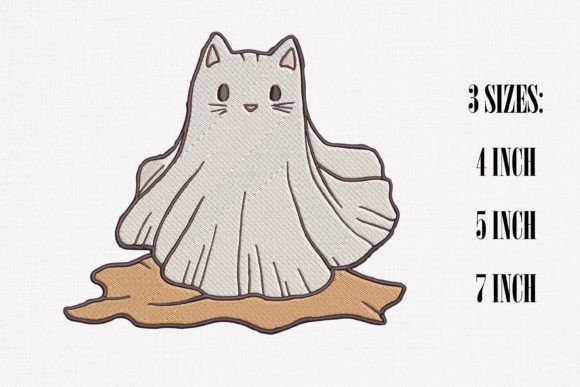
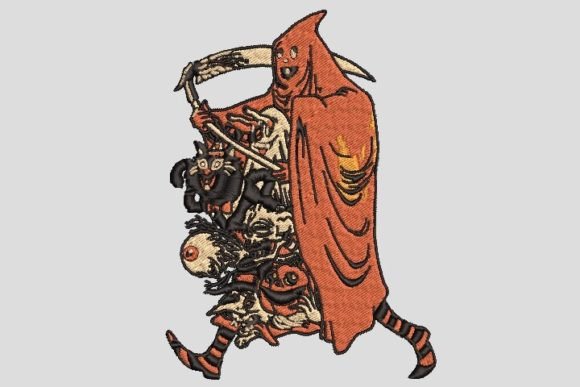
The moment I loaded the Halloween Ghost Horror Embroidery File into my software, the silhouette stood out. It does not rely on overly complex shading or impossible gradients. Instead, it uses bold shapes and strategic negative space to create a spooky, playful vibe that fits perfectly within the Halloween theme. The design avoids the cluttered look that often plagues horror-themed graphics, opting instead for clean lines that translate well into thread.
For an Etsy seller or craft business owner, visual clarity is crucial. Customers scrolling through digital marketplaces need to recognize the subject instantly. This design achieves that. Whether you are creating a tote bag design or a small embroidered patch, the ghost’s expression and form remain distinct. It strikes a balance between eerie and cute, making it versatile for both adult custom apparel and children’s items.
Real-World Application: From Totes to Sweatshirts
I tested this design on a heavy-weight canvas tote bag, which is a staple for any small shop product line during October. Using a standard cut-away stabilizer, the fill stitch areas laid flat without puckering. The result was a professional-looking accessory that felt substantial. The thread colors I chose—classic white with subtle gray shading—popped against the natural canvas, proving that contrast is key when working with lighter designs on neutral backgrounds.
Beyond bags, I explored its potential for sweatshirt embroidery. On a fleece-lined hoodie, the design required careful attention to stitch density. Because fleece is thick and textured, I adjusted the pull compensation slightly to prevent the fabric from bunching around the edges. The outcome was a cozy, high-quality piece of holiday embroidery that looked like it belonged in a boutique rather than a mass-produced rack. This versatility makes the Halloween Ghost Horror Embroidery File a strong candidate for diverse design assets.
Navigating Fabric Challenges and Hoop Limits
While the design is robust, it is not without its constraints. When working with thin or stretchy fabrics, such as jersey knits for baby embroidery projects, extra care is necessary. I recommend using a tear-away stabilizer backed with a light fusible interfacing to support the satin stitch borders. Without this, the fine details might distort during wear or washing.
Another consideration is hoop size. If you are planning to use this on curved surfaces like caps or hats, ensure your machine can handle the specific dimensions of the file. Tight curves on caps can cause thread breaks if the design is too dense or positioned incorrectly. I found that placing the ghost slightly off-center on a cap worked better than centering it, allowing the brim’s curve to complement the design’s flow. Always test on scrap fabric first to confirm that your machine embroidery design settings align with your specific hardware.
Commercial Viability and Brand Consistency
For digital product sellers and commercial embroidery professionals, consistency is vital. This file offers a reliable aesthetic that can be integrated into a broader brand identity. Whether you are selling personalized gift items or creating printable mockup previews for your online store, the design’s clean lines ensure it looks professional in both physical and digital formats.
However, before listing any handmade product featuring this design, verify the licensing terms. While many digital embroidery file providers allow commercial use for finished physical items, restrictions may apply to reselling the file itself. Always read the fine print to protect your small business from legal issues. Assuming the license permits it, this design can significantly enhance buyer engagement due to its timely relevance and high-quality execution.
Technical Notes for Designers
- Check Stitch Density: Review the file in your software to identify any overly dense areas that might cause needle breaks on thicker fabrics.
- Contrast Testing: Create black and white mockups to ensure the design remains visible on dark fabrics. You may need to adjust thread colors or add a backing stitch for visibility.
- Detail Inspection: Zoom in on small corners and intricate parts. If certain elements are too tiny, consider simplifying them or increasing the overall size of the embroidery.
- Stabilizer Selection: Match your stabilizer to your fabric. Use cut-away for stretchy materials and tear-away for stable woven fabrics like cotton or canvas.
- Wash Testing: Always wash a test sample to check for thread bleeding or distortion. This builds customer trust and ensures your finished product lasts.
Final Verdict
The Halloween Ghost Horror Embroidery File is a solid addition to any seasonal collection. It balances artistic flair with technical practicality, making it suitable for a wide range of embroidery project types. From home decor like pillow covers to wearable custom apparel, it delivers consistent results when handled with proper technique. For designers looking to expand their Halloween offerings without sacrificing quality, this file is worth considering. Just remember to respect the material limitations and always prioritize a good test stitch before committing to final production.