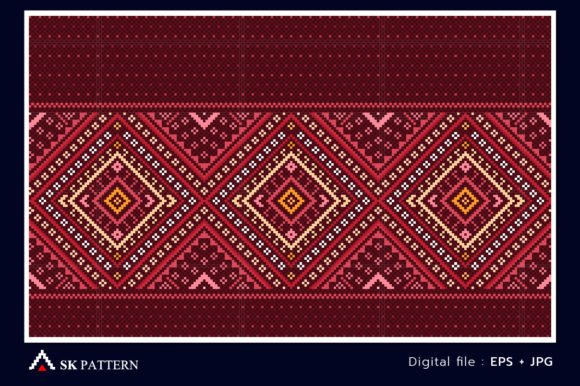
Reviewing Red Embroidery Ethnic Pattern Geometric
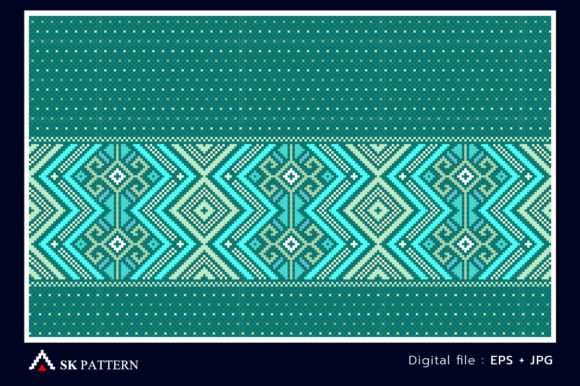
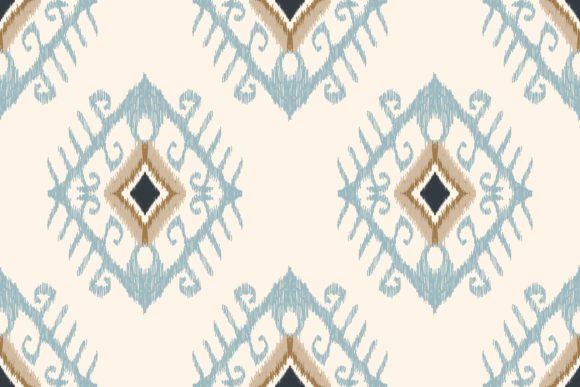
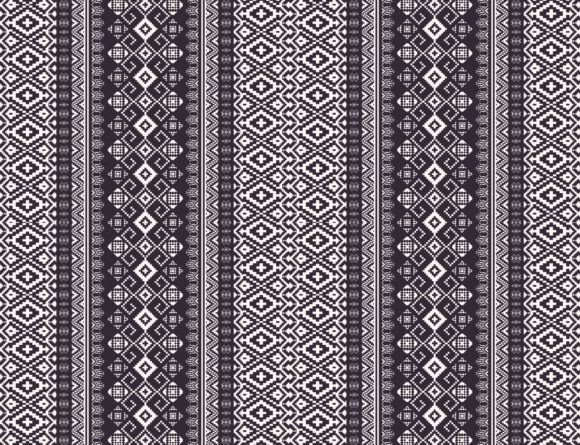
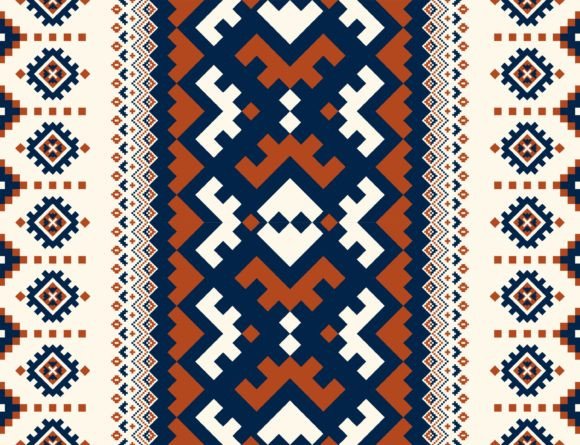
As an embroidery designer who has spent countless weekends behind a craft fair table, I have learned that not every design translates well from screen to stitch. When I first opened the Red Embroidery Ethnic Pattern Geometric file, my immediate thought was about visual impact. In a crowded market hall, you have seconds to catch a browser’s eye. This design does not whisper; it speaks. The bold red tones combined with structured ethnic geometry create a sense of warmth and tradition that feels both rustic and modern. It is not overly cute or whimsical, nor is it starkly minimal. Instead, it strikes a balance that feels premium and decorative, perfect for customers looking for handmade quality with a touch of global flair.
First Impressions and Visual Appeal
The color palette is the first thing that stands out. Red is a high-energy color that draws attention, but when paired with geometric precision, it avoids looking chaotic. For a craft fair product, this is crucial. Customers walking past booths often scan for color pops. This design offers that pop while maintaining an elegant structure. It feels substantial, suggesting that the finished product will be durable and well-made. Whether you are aiming for a bohemian vibe or a contemporary farmhouse look, this pattern adapts well because of its clean lines and balanced composition.
Versatility Across Product Lines
One of the biggest challenges for any Etsy seller or small shop owner is maximizing the utility of a single asset. The description notes that these pattern designs are perfect for wall art, floor pillows, throw blankets, tapestries, scarves, cushions, dresses, skirts, and gift wrapping. From a production standpoint, I see this working exceptionally well on several key items.
- Tote Bag Design: A large-scale version of this geometric pattern would look stunning on a canvas tote. It transforms a basic bag into a statement piece.
- Apron Embroidery: Placing this on the bib or pocket of a linen apron adds a professional, boutique feel that justifies a higher price point.
- Tea Towel Embroidery: For kitchen textiles, the geometric nature ensures it looks tidy and intentional, even after repeated washing.
- Embroidered Patch: If scaled down correctly, this could serve as a striking iron-on patch for denim jackets or backpacks.
However, versatility requires caution. While the description mentions dresses and skirts, applying a dense geometric pattern to curved surfaces like a fitted bodice can be tricky. It works best on flat panels or loose-fitting garments where the fabric does not distort the shape of the machine embroidery design.
Practical Production Considerations
Before you commit to batch production for your next market, you must evaluate the technical aspects. The files included are listed as 1 EPS file and 1 JP (likely JPG). This is a critical distinction. An EPS is a vector graphic, which is excellent for printing, cutting, or scaling without loss of quality. However, it is not a native embroidery file format like PES or DST. This means you will need to digitize it yourself or hire a digitizer to convert the vector graphics into stitches. This step is vital for controlling stitch density and ensuring the design runs smoothly on your machine.
When digitizing, pay close attention to the red thread colors. Red thread can sometimes appear dull if the tension is off or if the fabric absorbs too much light. Test different shades of red against various background fabrics. A bright crimson might vibrate visually against a white cotton, while a deeper burgundy might look more sophisticated on navy or black linen.
Navigating Fabric and Stabilizer Choices
The success of this design heavily depends on the fabric texture. Geometric patterns rely on straight lines and sharp angles. If you use a highly textured towel or a loose-weave fabric, those sharp lines may blur. I recommend using a cut-away stabilizer for stretchy fabrics like jersey for dresses, and a tear-away for stable wovens like cotton for tote bags. Always test the design on scrap fabric first. Check if the stitches pull the fabric, causing puckering, which can ruin the clean aesthetic of the geometric shapes.
Also, consider the hoop size. If you plan to make small items like pouches or caps, ensure the design fits within your standard hoop without needing excessive re-hooping, which can lead to misalignment. For caps, the curved surface requires careful placement to prevent the geometric lines from appearing warped.
Selling Strategy for Craft Fairs and Online Shops
For a weekend craft fair booth, display strength is everything. Use this design on items that hang vertically, such as tapestries or aprons, to draw the eye from a distance. The bold red will stand out against neutral booth backdrops. For online listings, create a printable mockup or photograph real samples in natural light. Show the design in context: a pillow on a cozy sofa, a scarf draped over a chair, or a tote bag held by a model. This helps buyers visualize the scale and utility of the handmade product.
As a digital embroidery file provider or a seller of finished goods, consistency is key. If you use this pattern across multiple products, ensure the color matching is consistent. A customer who buys a pillow cover and later returns for a matching tote expects the red to be identical. This builds trust and brand consistency.
Final Designer Notes
Before launching this as a commercial embroidery product, verify the licensing terms. Since the source provides vector and image files, ensure you have the right to use the underlying artwork for commercial goods if you did not create the original vector yourself. If you are digitizing it, your license to sell the resulting embroidery files or finished products depends on the rights granted by the original creator of the design assets.
In summary, Red Embroidery Ethnic Pattern Geometric is a strong contender for makers who want to offer bold, culturally inspired designs. It performs best when treated with respect for its geometric precision. Avoid shrinking it so small that the details merge, and avoid placing it on fabrics that cannot hold a crisp stitch. With proper digitizing and thoughtful product selection, this pattern can elevate your small shop product line, attracting buyers who appreciate the intersection of traditional motifs and modern craftsmanship. Remember to check the specific file details and convert appropriately for your machine to ensure the highest quality output for your customers.