Review: Ukrainian Embroidery Ornament Pattern 2
As a designer who has spent years digitizing and testing machine embroidery design files for commercial use, I approach every new asset with a critical eye. It is not just about whether the image looks pretty on a screen; it is about how the stitches lay down on fabric, how the tension holds up after washing, and whether the final finished product meets the high standards of today’s handmade market. Recently, I evaluated Ukrainian Embroidery Ornament Pattern 2, a digital asset categorized under Patterns and Graphics, to determine its viability for real-world projects.
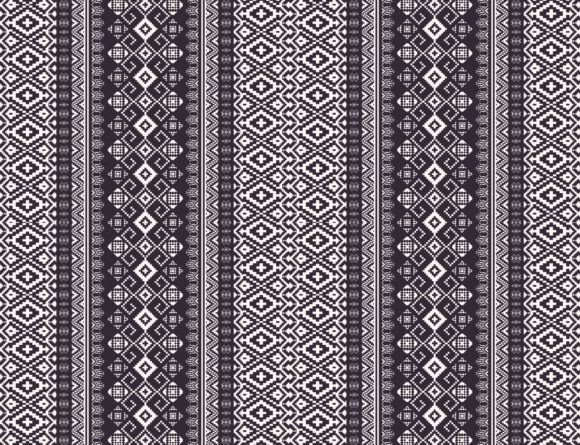
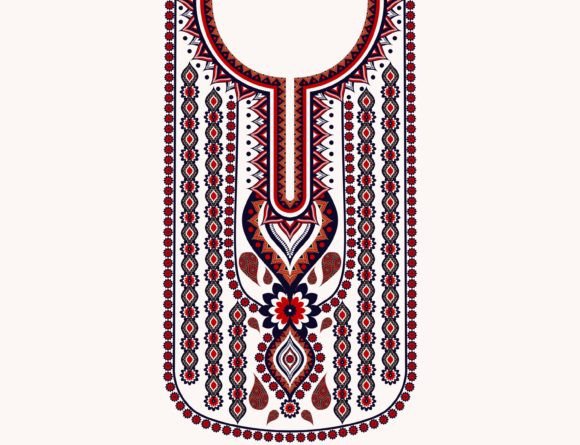
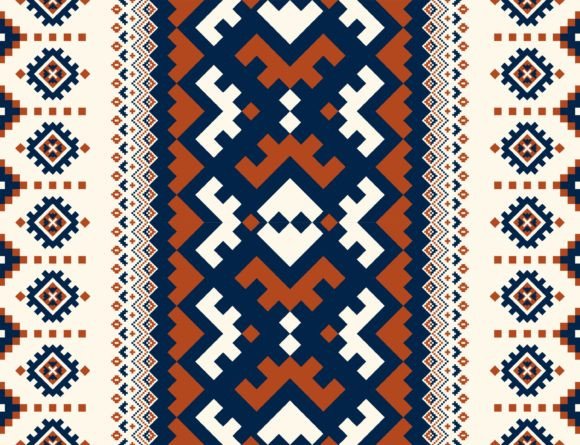
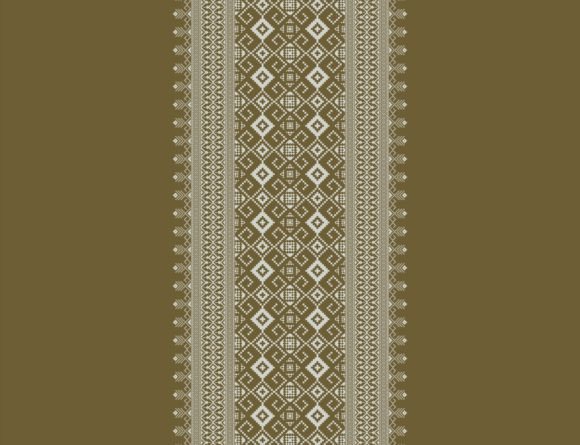
The first impression of this design is one of refined heritage. The description highlights a "vintage white-gold color pattern" with tribal art influences, specifically tailored for ethnic necklines and shirt fashion. Visually, the motif carries a sense of history without feeling dated. For an embroidery project, this balance is crucial. If a design is too complex, it becomes a muddy mess of thread; if it is too simple, it lacks the perceived value customers expect from custom work. This ornament strikes a middle ground, offering intricate detailing that suggests quality craftsmanship while maintaining clear lines that are essential for stitch clarity.
Real-World Application and Project Fit
To truly test the potential of Ukrainian Embroidery Ornament Pattern 2, I imagined it in several common scenarios faced by Etsy sellers and small shop owners. The most natural fit is undoubtedly custom apparel. The neckline focus mentioned in the product description makes it ideal for bohemian-style blouses, linen tunics, or even modern sweatshirts looking for a touch of ethnic flair. When visualizing this as sweatshirt embroidery, the contrast of gold thread against a neutral oatmeal or charcoal fabric creates a luxurious look that elevates a basic garment into a boutique item.
Beyond apparel, I considered its use in home goods. A tote bag design featuring this seamless border could serve as a striking accent along the top hem or the base of a canvas bag. For holiday embroidery gifts, such as kitchen towels or aprons, the vintage aesthetic fits perfectly with the current trend of rustic, farmhouse-style decor. However, the true test for any craft business owner is versatility. Can this digital embroidery file work for a baby item? Possibly, but with caution. The tribal art elements might feel too bold for delicate baby embroidery unless scaled down significantly and stitched in softer pastels rather than the suggested white-gold palette.
Technical Performance and Stitching Considerations
From a technical standpoint, the success of this design depends heavily on execution. Since the product is listed as a graphic illustration of a neckline pattern, it likely relies on a combination of satin stitch for borders and fill stitch for broader areas. When working with such ornate tribal patterns, stitch density is the primary concern. If the density is too high, the fabric will pucker, especially on lighter materials like cotton voile or linen. If it is too low, the underlying fabric may show through, ruining the solid appearance of the gold elements.
I recommend that anyone using this embroidery file performs a test run on scrap fabric first. This is non-negotiable for professional results. Check how the thread colors interact with your chosen material. The "white-gold" concept suggests a need for high-quality metallic or variegated threads. Metallic threads can be tricky; they often require slower machine speeds and specific needles to prevent breaking. If you are new to working with metallics, practice on a similar weight fabric to adjust your tension before committing to a customer’s garment.
Another critical factor is the hoop size. Neckline patterns often require precise placement. Ensure your hoop is large enough to accommodate the full width of the ornament without needing to re-hoop, which can lead to alignment issues. For curved surfaces like caps or rounded shoulders, you must consider how the design distorts. A flat neckline pattern may not translate well to a curved cap brim without significant digitizing adjustments. If you are not an experienced digitizer, stick to flat surfaces like t-shirts, pillow covers, or tote bags where the fabric lies smooth.
Navigating Fabric and Material Challenges
The choice of fabric can make or break this design. On textured fabrics, such as heavy denim or wool, the fine details of the tribal art might get lost. Conversely, on thin or stretchy fabrics, the weight of the embroidery could cause sagging. Always use the appropriate stabilizer. For knit fabrics like t-shirts or sweatshirts, a cut-away stabilizer is usually best to provide ongoing support. For woven fabrics like linen or cotton, a tear-away might suffice, but test it first to ensure it removes cleanly without damaging the stitches.
Dark fabrics present another challenge. The "white-gold" theme implies light-colored threads. On dark navy or black fabric, you may need an underlay stitch or a backing layer to prevent the dark fabric from peeking through the lighter threads. This adds bulk, so adjust your density settings accordingly. For those creating personalized gift items, offering a mockup service can help manage customer expectations. Show them how the design looks on different backgrounds using printable mockup tools before stitching begins.
Commercial Viability and Brand Value
For commercial embroidery professionals, the legal and ethical use of design assets is paramount. Before selling any handmade product featuring Ukrainian Embroidery Ornament Pattern 2, verify the licensing terms. Does the purchase allow for unlimited physical sales? Are there restrictions on digital redistribution? Most reputable marketplaces provide clear guidelines, but it is your responsibility as a small shop product creator to read them. Using unlicensed assets can damage your brand reputation and lead to legal issues.
Assuming proper licensing, this design adds significant value to your portfolio. It speaks to a niche market interested in ethnic fashion and cultural appreciation. By incorporating such specific, high-quality design assets, you differentiate your brand from generic mass-produced items. Customers are increasingly seeking authenticity. A well-executed Ukrainian-inspired ornament tells a story and connects the wearer to a tradition, enhancing the emotional value of the custom apparel.
Final Designer Notes
In conclusion, Ukrainian Embroidery Ornament Pattern 2 is a promising addition to your library of Patterns and Graphics. It offers a sophisticated aesthetic that works well for neckline accents, borders, and statement pieces. However, its success relies on your technical skill in managing stitch density, thread choice, and fabric selection. Do not rush the process. Test, adjust, and refine. Whether you are creating an embroidered patch for a jacket or a full-scale applique design for a home decor item, attention to detail will ensure your final product stands out in a crowded marketplace. Treat each stitch with intention, and this design will serve your craft business well.