Heart Embroidery: A Designer’s Practical Review
As a designer who has spent years staring at stitch previews and pulling threads out of ruined fabric, I approach every new machine embroidery design with a healthy dose of skepticism. We have all seen those overly complex digital files that look stunning on a screen but turn into a tangled mess of bird nests on the hoop. When I first loaded the Heart Embroidery file into my software, I was looking for simplicity, clarity, and versatility. What I found was a design that respects the limitations of the medium while delivering a clean, professional finish.
This is not just another generic clipart conversion. This embroidery file feels like it was built by someone who understands how thread behaves on fabric. For anyone running a craft business, selling on Etsy, or simply making personalized gifts for friends, the difference between a amateur-looking stitch-out and a boutique-quality product often comes down to the foundational design choices. Here is my breakdown of how this design performs in the real world.
First Impressions and Visual Personality
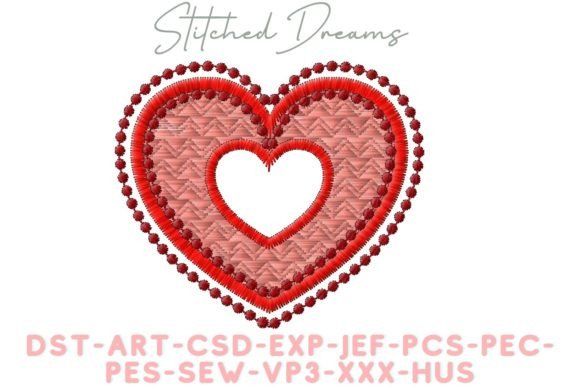
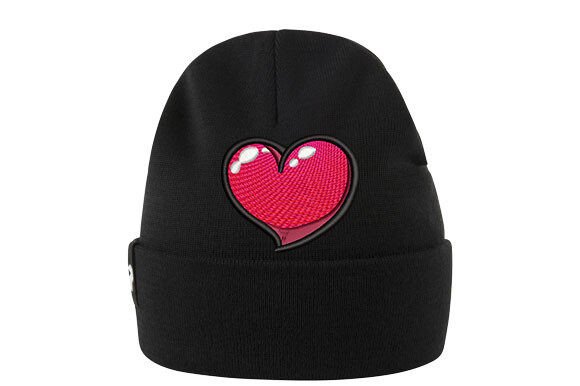
The immediate mood of this design is warm yet modern. It avoids the cliché excessive detailing that often plagues holiday-themed assets. Instead, it relies on strong lines and balanced proportions. Whether it utilizes a smooth satin stitch border or a textured fill stitch interior, the visual weight is distributed evenly. This is crucial because uneven density leads to puckering, especially on lighter fabrics.
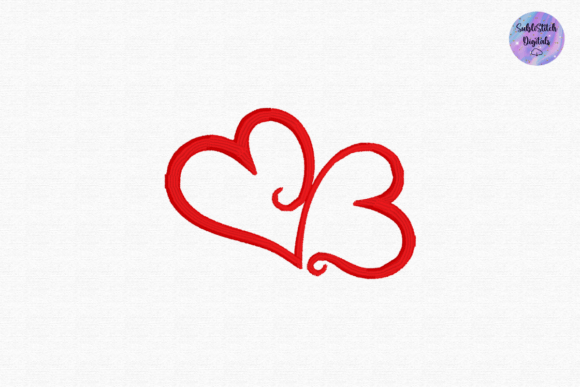
For Valentine S Day projects, the market is saturated with overly frilly or chaotic hearts. This design stands out because it is restrained. It creates a striking item without screaming for attention. This subtlety makes it perfect for customers who want something romantic but wearable year-round, not just for one specific holiday. It fits naturally into a broader catalog of design assets for a small shop that values minimalist aesthetics.
Real-World Application: The Tote Bag Test
To truly evaluate an embroidery project, you have to move beyond the monitor. I tested this design on a heavy canvas tote bag, a common bestseller for many Etsy sellers. Canvas is unforgiving; if the stitch density is too high, the fabric warps. If it is too low, the backing shows through.
The Heart Embroidery handled the canvas beautifully. The stitches laid flat, creating a tactile surface that invites touch. I paired it with a contrasting red thread against natural beige fabric, and the result was crisp. This kind of clarity builds customer trust. When a buyer receives a handmade product where the edges are sharp and the threads are secure, they perceive higher value. It transforms a simple bag into a piece of custom apparel or accessory that feels curated rather than mass-produced.
Versatility Across Product Lines
Beyond totes, I considered how this design would translate to other popular items. For sweatshirt embroidery, the design needs to hold its shape against a fuzzy, textured surface. Because the lines are clean, it does not get lost in the pile of the fleece. It also works well for baby embroidery on onesies, provided you use a soft stabilizer and appropriate needle size to prevent irritation.
If you are creating an embroidered patch, this design is ideal. Patches require dense stitching to prevent fraying around the edges, and the simple geometry of this heart allows for a tight, durable border. It is also suitable for holiday embroidery on kitchen towels or aprons, where frequent washing is a factor. A well-digitized design will withstand multiple wash cycles without unraveling, which is essential for maintaining your brand’s reputation.
Technical Considerations and Fabric Choices
While the design is robust, it is not magic. You must consider the fabric texture and type. On thin, stretchy materials like jersey knits, you must use a cut-away stabilizer to prevent the heart from distorting over time. On dark fabrics, ensure your thread colors have enough contrast. A dark red on black might look muddy in person even if it looks distinct on a printable mockup.
Be cautious with very small hoop sizes. If you scale the design down too much, fine details may merge. Always check the minimum recommended size in the file documentation. Since the product description mentions it comes with multiple formats, verify which one matches your machine before starting. Never assume compatibility; always check the specific digital embroidery file extensions against your hardware.
Commercial Viability and Branding
For commercial embroidery professionals, consistency is key. This design offers a level of professionalism that helps with brand consistency. It is recognizable without being distracting. When used in a collection, it pairs well with other simple motifs, allowing you to create themed bundles for small shop products.
From a marketing perspective, clean designs photograph better. They create less shadow and glare, making them ideal for online listings. A clear, well-stitched heart increases buyer engagement because it looks achievable and high-quality. It signals that the seller knows their craft. This is vital for creative entrepreneurs who rely on visual appeal to drive sales in a crowded marketplace.
Designer Notes for Best Results
- Test on Scrap First: Always run a test stitch on the actual fabric you plan to use. Thread tension varies by machine and material.
- Check Stabilizer: Match your stabilizer to the fabric weight. Tear-away for stable woven fabrics, cut-away for knits.
- Review Stitch Density: If the design feels too stiff after stitching, consider reducing the density slightly in your editing software if you have the skills, or choose a lighter thread weight.
- Contrast Matters: Test your thread choices against both light and dark backgrounds to ensure visibility.
- Verify Licensing: Before selling finished products or using this in commercial ventures, confirm the license terms provided with the download. Ensure you are compliant with usage rights for digital product sellers or physical goods manufacturers.
Final Verdict
The Heart Embroidery design is a solid addition to any designer’s library. It balances aesthetic appeal with technical practicality. It is not trying to be everything to everyone; instead, it excels at being a clean, reliable, and attractive motif for a wide range of applications. Whether you are making a quick personalized gift or stocking your online store with Valentine S Day inventory, this design reduces the risk of production errors while maximizing visual impact.
For hobbyists and makers, it offers a forgiving learning curve. For apparel decorators and boutique branding experts, it offers a polished look that supports premium pricing. In the world of Embroidery, simplicity is often the hardest thing to achieve, and this design manages it with grace. Just remember to respect the materials, check your settings, and let the quality of the stitch do the talking.