Embroidery Glyph Icon Review for Business
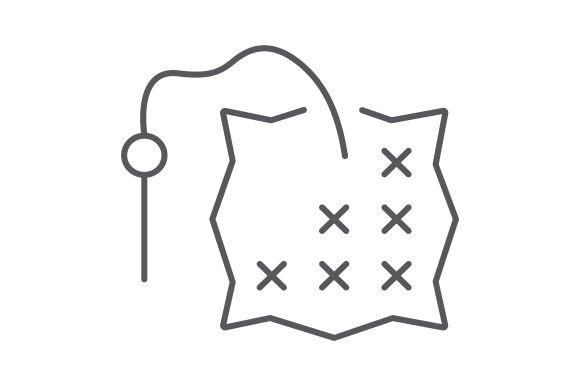
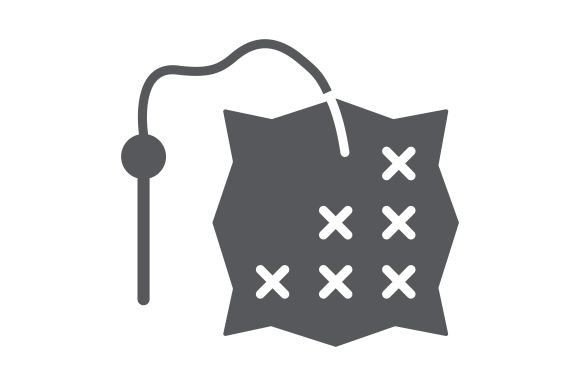
As an embroidery designer who has spent years digitizing logos for everything from local coffee shops to high-end boutique apparel, I approach every new asset with a critical eye. We are not just looking for pretty pictures; we are looking for functional design elements that translate well into thread and withstand the rigors of commercial use. Today, I am reviewing the Embroidery Glyph Icon, a graphic asset described as a handmade and sewing needle sign with vector graphics capabilities. For small business owners, this icon represents more than just a decorative element; it is a potential cornerstone for brand identity in the handmade and craft sectors.
First Impressions and Visual Personality
The initial appeal of the Embroidery Glyph Icon lies in its thematic clarity. The description highlights a "needle sign" and "handmade and sewing" motif, which immediately signals authenticity. In the world of small business merch, customers crave connection. They want to know that a human hand was involved in the creation process. This icon, with its solid pattern on a white background, projects a sense of rustic elegance and professional craftsmanship. It does not feel overly corporate or sterile. Instead, it feels approachable, friendly, and deeply rooted in the tradition of textile arts.
However, as a designer, I must look past the aesthetic surface. The product is categorized under Icons and Graphics, specifically noting it is an EPS 10 file with a non-editable stroke. This technical detail is crucial. While it is a vector graphic, the "non-editable stroke" limitation means we cannot simply tweak the line weight in Illustrator before sending it to our digitizing software. We must work with the shape as provided. This requires a keen understanding of how solid shapes convert to stitch patterns.
Real-World Applications for Small Businesses
Let us imagine a local bakery or a floral studio wanting to elevate their staff uniforms. Using the Embroidery Glyph Icon as a chest logo accent on aprons can create a cohesive and professional look. Because the design is a solid pattern, it offers excellent coverage, which can hide minor fabric imperfections and provide a substantial feel to the garment. For Etsy sellers and crafters, this icon serves as a perfect badge of quality. Placing it on tote bags or product packaging accents reinforces the "handmade" narrative that drives buyer engagement.
- Branded Patches: The solid nature of the glyph makes it ideal for embroidered patches. These can be sewn onto canvas totes, denim jackets, or even used as hang tags for handmade products.
- Cap Embroidery: A simplified version of this needle sign could work beautifully on the front panel of a dad hat, offering subtle branding without overwhelming the curved surface.
- Staff Uniforms: For creative studios or boutique retail spaces, embroidering this icon on polo shirts or work shirts adds a layer of professionalism and team unity.
- Customer Gifts: Small items like coin purses or key fobs featuring this icon can serve as memorable thank-you gifts that keep your brand top-of-mind.
Technical Considerations and Production Challenges
While the visual appeal is strong, the transition from a digital embroidery file to a finished product requires careful planning. The description notes a "solid pattern," which in embroidery terms often translates to high stitch density. High density can lead to puckering if not managed correctly. When using this design on lightweight fabrics like cotton tote bags or thin apron materials, the choice of stabilizer is critical. A cut-away stabilizer might be necessary to support the weight of the stitches and prevent distortion after washing.
Furthermore, the "non-editable stroke" constraint means we must be vigilant about size. If you attempt to shrink the Embroidery Glyph Icon too much for a small patch or a sleeve detail, the solid areas may merge, losing definition. Conversely, if enlarged too much without adjusting the stitch structure, the design may become sparse and lack impact. I always recommend testing the design in black and white first. This removes the distraction of thread colors and allows you to focus purely on the shape and spacing of the stitches. Check if the details hold up at the intended hoop size. If the needle sign becomes a blob at one inch wide, it is not suitable for that application.
Fabric and Thread Color Strategy
Thread color contrast is another vital factor. Since this is a solid pattern, using a single thread color against a contrasting fabric background will yield the best results. For example, a cream thread on a navy blue apron creates a classic, premium look. However, avoid using this design on textured fabrics like heavy wool or terry cloth unless you have extensive experience. The texture of the fabric can interfere with the clean lines of the glyph, making the final product look messy rather than handmade.
For dark uniforms, ensure that the digitized version of this vector graphics file includes proper underlay stitches. Without adequate underlay, the top stitches may sink into the fabric, reducing visibility and durability. Always create a printable mockup for client approval before running a full production batch. This step saves time and materials, ensuring that the placement and scale meet the client's expectations.
Enhancing Brand Identity and Trust
Incorporating the Embroidery Glyph Icon into your business assets goes beyond decoration; it builds trust. When customers see consistent, high-quality embroidery on your merchandise, they perceive your brand as established and reliable. This icon, with its association to sewing and handmade crafts, aligns perfectly with brands that value artisanal quality. It tells a story of care and attention to detail.
For digital embroidery file buyers and product designers, this asset can be part of a larger suite of design assets. Use it alongside your primary logo to create a secondary mark for smaller applications. This visual consistency helps in brand recognition. Whether it is on a custom apparel piece or a promotional item, the presence of this glyph signals that the product is part of a thoughtful, curated collection.
Final Designer Notes
Before committing to a large run of commercial embroidery projects using this icon, verify the specific license terms. The product description mentions it is a vector graphic in EPS 10 format, but it does not explicitly state the commercial usage rights for the digitized embroidery file. Always confirm commercial licensing before business use to avoid legal issues. Additionally, since the stroke is non-editable, you may need to manually adjust the digitizing parameters to optimize stitch direction and density for different fabric types.
Test the design on real fabric samples that match your final product. Compare the embroidered result beside other design assets to ensure it fits your brand's visual language. If the Embroidery Glyph Icon holds up under scrutiny—maintaining its shape, offering good coverage, and enhancing the perceived value of the item—it is a valuable addition to your toolkit. For small business owners looking to add a touch of authentic craftsmanship to their merch, this icon offers a solid foundation for creating memorable, high-quality branded goods.