Cactus Succulent Embroidery Car Coaster Review
As a designer who has spent years digitizing patterns and testing them on everything from stiff denim to delicate baby knits, I approach every new machine embroidery design with a mix of curiosity and caution. We have all been there: you download a file that looks pristine in the preview window, only to find it turns into a tangled mess of thread breaks and puckering once it hits the hoop. Today, I am taking a close look at the Cactus Succulent Embroidery Car Coaster to see if it holds up under the needle for real-world projects.
My first impression of this design is rooted in its visual personality. The cactus and succulent theme carries a specific mood—calm, organic, and slightly whimsical. In the context of modern home decor and personalized accessories, this aesthetic is incredibly popular. However, popularity does not always equal practicality. When I examine the layout and detail level, I am looking for how the shapes translate into stitches. Are the curves smooth? Is the density manageable? For a design labeled under Print Templates and Graphics, it is crucial to understand its intended application before committing to a large production run.
Real-World Application and Project Fit
Let us move beyond the digital screen and imagine this design in a tangible setting. Suppose you are preparing a custom order for a boutique client who wants coordinated gifts. You might consider using this motif on a heavy canvas tote bag design or as a central feature on a sweatshirt embroidery project. The organic lines of a succulent often pair beautifully with natural fabrics like linen or cotton twill. If the design features clean outlines and moderate fill areas, it could serve as a charming accent on a kitchen towel or a stylish patch for a denim jacket.
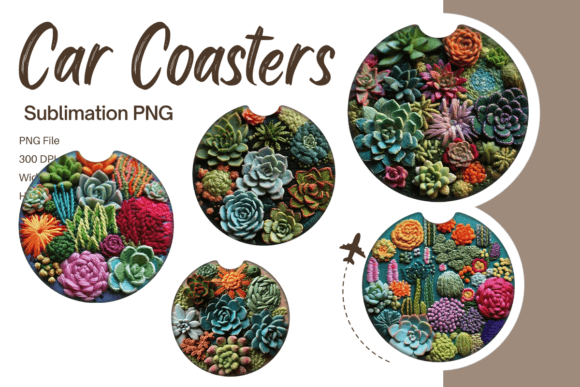
However, we must address the specific description provided: "This listing is for digital download only. Please note, this is NOT A SVG file. This template is meant to be used to sublimate car tag Car plates and car coasters." This distinction is vital. While the title suggests embroidery, the description points toward sublimation templates for hard goods. As an experienced reviewer, I must clarify that if you are looking for a traditional embroidery file with stitch data, you need to verify the file formats included. If this is indeed a graphic template for sublimation, it will not contain satin stitch or fill stitch data required by your embroidery machine. It may instead be a high-resolution image intended for heat transfer onto ceramic or metal surfaces.
If you are an Etsy seller or run a craft business, confusing these two types of design assets can lead to customer dissatisfaction. Imagine promising a hand-stitched personalized gift and realizing too late that the file is a flat graphic for printing. Always check the exact file types before purchase. If the package includes actual embroidery formats like PES, DST, or JEF, then we can proceed with evaluating its stitching performance. If it is purely a graphic for sublimation, it belongs in a different workflow entirely.
Performance on Textiles and Surfaces
Assuming for a moment that this design is available in a stitchable format or that you are adapting the graphic into an applique design for fabric use, let us discuss how such a motif performs. Cactus shapes often involve rounded edges and internal details. In embroidery, small, intricate details can get lost if the stitch density is too high or if the hoop size is too small. For a baby embroidery project, such as a onesie or burp cloth, you would want to ensure the design is simplified to avoid scratchy thread buildup on sensitive skin.
When working with textured fabrics, the clarity of the design is paramount. A running stitch outline might disappear on a fluffy towel, whereas a dense satin border would stand out. If you are applying this to curved surfaces like caps, you must consider how the design distorts during stitching. Succulents with wide, flat bases might not hoop well on a standard cap frame without significant stabilization. For holiday embroidery or seasonal items, the green tones of a cactus can offer a fresh alternative to traditional red and green palettes, appealing to customers looking for modern finished product aesthetics.
Visual Appeal and Brand Consistency
From a branding perspective, consistency is key. If your small shop product line focuses on desert themes or botanical motifs, this design could reinforce your brand identity. The visual appeal of a well-executed cactus design lies in its balance between simplicity and character. Customers often judge the quality of a handmade product by the neatness of the stitches and the choice of thread colors. Using variegated threads can add depth to the succulent leaves, mimicking the natural gradient found in real plants. This attention to detail builds customer trust and enhances the perceived value of your commercial embroidery work.
For those creating printable mockup previews for their online stores, ensuring the design looks crisp in digital representations is just as important as the physical stitching. A blurry or pixelated preview can deter potential buyers. Whether you are selling custom apparel or home decor, the presentation of the design in your marketing materials sets the expectation for the final item.
Practical Designer Notes and Precautions
Before you load this design into your machine or send it to print, here are some critical steps to take. First, always test the design on scrap fabric that matches the weight and texture of your final material. This allows you to check for thread breaks, nesting, or puckering. Pay close attention to the stabilizer you use; a cut-away stabilizer is often best for stretchy fabrics, while a tear-away works well for stable wovens.
Check the contrast of your thread colors against the fabric background. A dark green cactus on a navy blue shirt might lack definition, whereas the same design on a cream or white background would pop. If the design includes tiny lettering or fine details, inspect them closely at 100% zoom. These elements are prone to breaking during stitching or washing. Additionally, confirm the licensing terms. Just because a file is a digital embroidery file does not automatically grant you commercial rights to sell the finished items. Read the license agreement carefully to ensure you can use it for Etsy listings or craft fair products.
Finally, remember that this specific listing mentions it is not an SVG and is meant for sublimation on car coasters. If you are strictly an embroidery enthusiast, ensure you are purchasing the correct version of the product. Misunderstanding the difference between a sublimation graphic and an embroidery pattern is a common pitfall. By verifying the file type and testing thoroughly, you can ensure that your next embroidery project is a success, whether it ends up on a tote bag, a pillow cover, or a customized accessory.